

Crime and Punishment in Regency Gainsborough
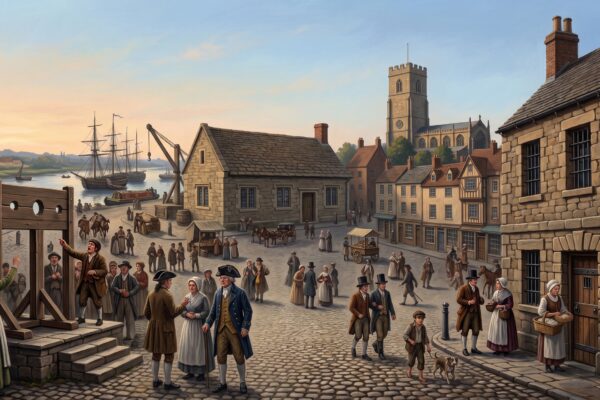
Between 1821 and 1841, Adam Stark recorded 140 entries under the heading of crimes and courts in his newsbooks, a chronicle of offences great and small brought before the Petty Sessions at Gainsborough’s Town Hall, committed to Kirton House of Correction, or sent on for trial at Lincoln Castle. They
Guarding the Night Sky
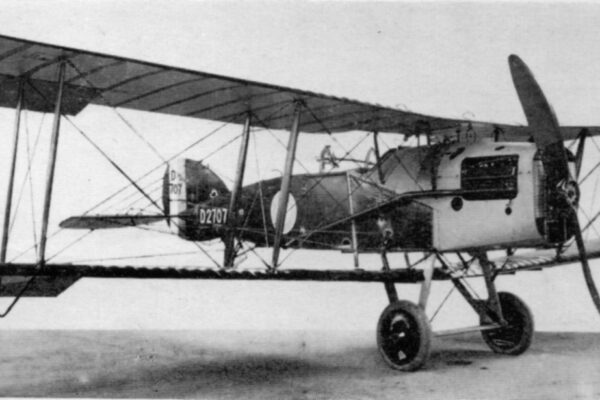
The Gainsborough and Saundby WWI Airfield When people think of Gainsborough’s industrial past, they think of Marshall Sons & Co., the Britannia Ironworks, Roses and packing machines. Aviation doesn’t usually make the list. But for two years between 1916 and 1918, a field on the Nottinghamshire side of the River
Adam Stark: Gainsborough’s Victorian Man of All Trades
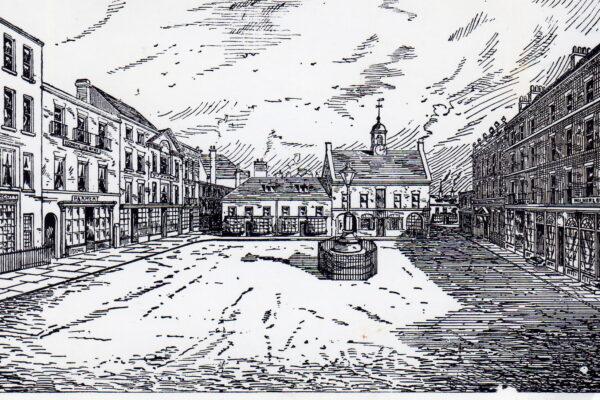
In 1842, the compilers of Gainsborough’s trade directory faced a small problem when they came to record Adam Stark of Market Place. He held so many roles that they had to make a choice about which to list first. They settled on the most official, Post Master. But tucked alongside
The Night Marshalls Burned
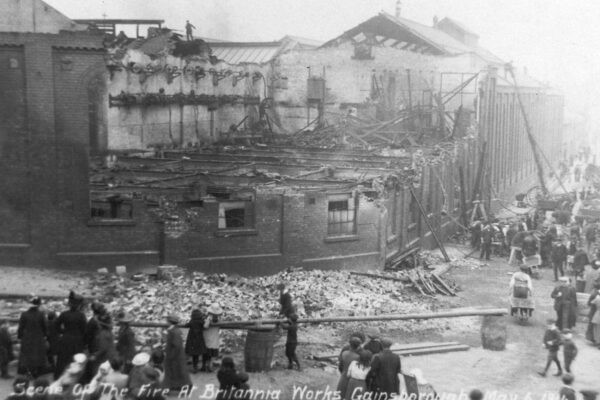
How a midnight blaze at the Britannia Ironworks shook Gainsborough to its foundations It began at midnight. By the time the people of Gainsborough had gathered in the streets, the north-eastern corner of Marshalls was a raging furnace, and the end of Spring Gardens was blocked by fallen walls. The
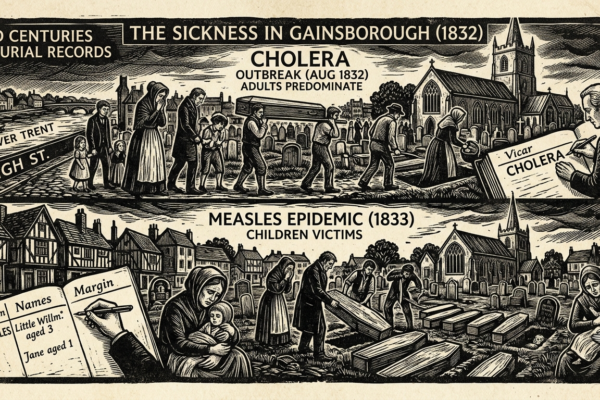
Who dies when a town gets sick? What the burial registers can tell us.
What two centuries of Gainsborough burial records tell us about the diseases that shaped the town, and how to read a plague from the age of the dead. In August 1832, the vicar of All Saints in Gainsborough, George Beckett, opened his burial register and, in the right-hand margin, began